Joe Vansickle

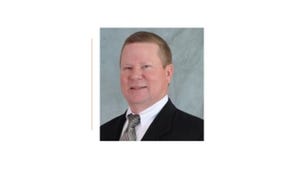
Senior Editor

Joe, a native of Indiana, is a graduate of the University of St. Thomas in St. Paul, MN, with a bachelor’s degree in journalism. He worked on daily newspapers in Albert Lea, MN and Fairmont, MN, before joining the staff of National Hog Farmer in 1977. Joe specializes in animal health issues, federal regulations, environmental concerns, food safety and writing about the swine veterinary community. Joe has won several writing awards from the Livestock Publications Council. In 2002, he earned the Master Writer Program Award from the American Agricultural Editors’ Association.

Articles by Joe Vansickle
2013 Master of the Pork Industry Malcolm DeKryger
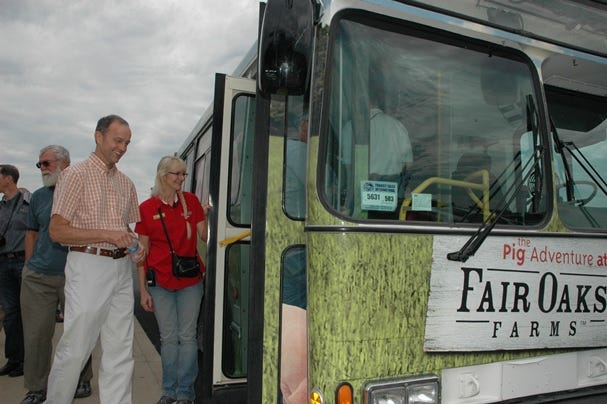
Truly, for Malcolm DeKryger, there is no such thing as an average day at the bustling offices of Belstra Milling Co., DeMotte, IN. Supervisor of five swine complexes that serve as gilt multipliers for PIC across the nation, DeKryger is also general contractor-manager of an innovative project dubbed “The Pig Adventure,” which includes a working hog farm (Legacy Farms) that consumers can visit, see pig displays, farm activities, and visit a restaurant tied to the popular Fair Oaks Farms dairy adventure at Fair Oaks, IN.
2013 Master of the Pork Industry Rodney “Butch” Baker, DVM
For Rodney “Butch” Baker, DVM — despite a long, respected career as a consulting swine veterinarian practicing in several states — in his mind he had not reached the pinnacle of success until seven years ago, when he joined Iowa State University (ISU) in Ames. No matter where in the world someone hails from, ISU is known as “swine central” — the mecca of swine production and education, Baker explains in his persistent southern drawl. “The move here has really been the best thing that has happened to me in my career — it is such a great place,” he says.
2013 Master of the Pork Industry Robert Thaler
At a time when the pork industries in most states are striving for stability, South Dakota State University (SDSU) Extension swine specialist Bob Thaler finds his state’s industry in the midst of a growth spurt of sorts.
Tightening PRRS Controls
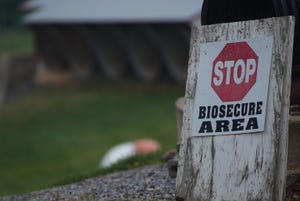
If you are serious about staying ahead of porcine reproductive and respiratory syndrome (PRRS) virus, then it’s time to tighten biosecurity measures and take aggressive steps to protect your operation from the virus. That’s the message from Cameron Schmitt, DVM, Pipestone Vet Clinic of Iowa, based at Independence.
Iowa Resolutions Address Hog Transport Issues
At the annual meeting of the Iowa Pork Producers Association (IPPA) in Des Moines in late January, delegates passed two resolutions dealing with hog transportation issues.
Keep’em Cool
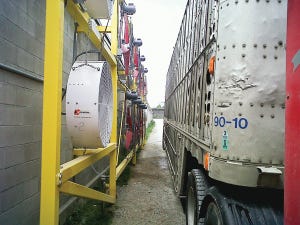
Transporting hogs to packing plants can produce casualties: 0.27% of groups arriving at packing plants were classified as “subject,” based on an earlier study by Cate Dewey, DVM, University of Guelph in Ontario.
PRRS Cloud
Approximately 20-plus years into the fight to rid the nation of porcine reproductive and respiratory syndrome (PRRS) virus, a more realistic approach may be to improve efforts to control the persistent disease.
White Paper Addresses Antimicrobial Use, Resistance Issues
Antimicrobial use and resistance and a start toward seeking resolution on these polarizing and often misunderstood issues are topics addressed in a white paper developed by the National Institute for Animal Agriculture.
No second chances when it comes to saving pigs.
No Second Chances
“The typical call I get from a producer is, ‘I can’t get my pigs off to a good start, Doc,’” remarks Minnesota swine veterinarian Tim Loula of the Swine Vet Center (SVC), St. Peter, MN.
Day One Pig Care 1
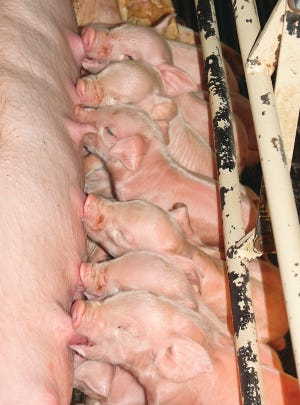
Do the math and it becomes clear that the U.S. pork industry is losing about 20% of total born piglets before weaning, says Tim Loula, DVM, Swine Vet Center, St. Peter, MN.
Be ready for antibiotic restrictions.
Be Ready for Antibiotic Restrictions
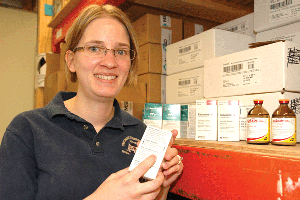
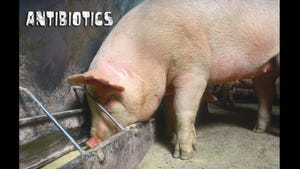
If you are in the pork production profession, get ready for restrictions on the way you handle antibiotics, no matter what form they are delivered to your pigs, says James McKean, Iowa State University swine veterinarian and associate director of the Iowa Pork Industry Center.
Fine-Tuned Feed 1
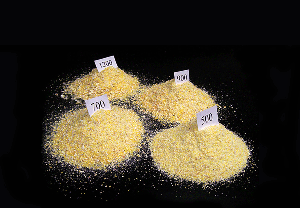
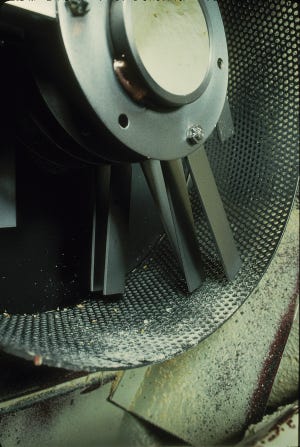
A research study conducted at New Fashion Pork in Jackson, MN, tested a new concept of fine-grinding either the corn portion or the whole diet when the diet contained higher levels of by-products in addition to corn to improve the energy value.
Tweaking Aids Producer’s Survival 1
Bill Tentinger, 63, laughs heartily when he thinks back to an interview he did earlier this year, when he expressed some doubt about the survival of his small hog operation in northwest Iowa. When Iowa Pork Producers Association (IPPA) officials heard about it, they were surprised that he would speak so openly about his possible fate.
Estimating the Cost of Mortality Management
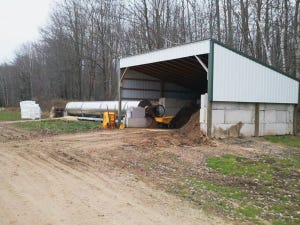
The practice of composting to manage on-farm swine mortalities has increased from 10.5% in 1994 to nearly 36% in 2006, according to data supplied by USDA’s Animal and Plant Health Inspection Service. Traditionally, the most popular method of composting has been the open static pile (OSP) in bins, piles or windrows, managed by primary, secondary and curing stages. More recently, in-vessel (IV) systems have become increasingly used. The most popular system is rotating drums.
Fixing Feed Efficiency
A recent survey by Kansas State University (KSU) has found that despite decades of Extension education emphasizing the importance of feed efficiency in swine, pork industry participants still fall short in knowledge and production applications.

Newsletter Signup