North American Preview

National Hog Farmer Newsletter
Provides pork producers in the United States and Canada with weekly analysis of items that will impact their business. Subscribe

Feeding Them Right

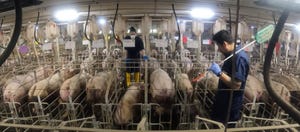
The sow herd is the engine that drives a pork production system. When things do not go well in the sow herd, the consequences ripple, and sometimes crash, through the rest of the production system for the next six months or more.

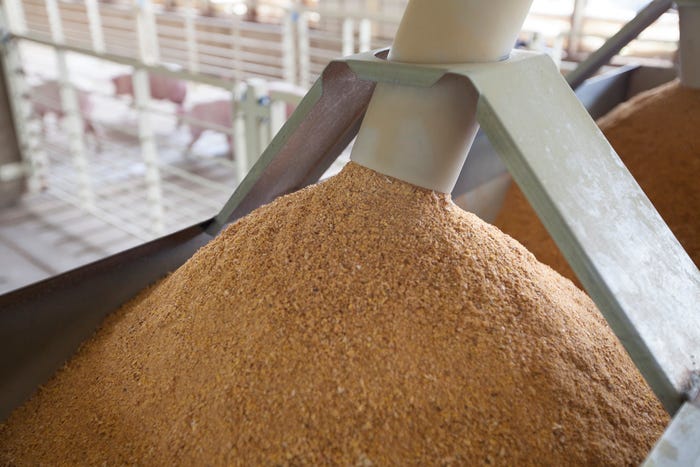
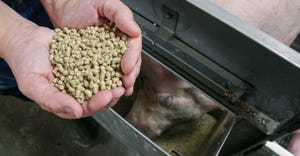
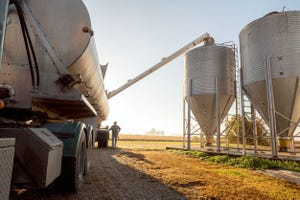
We all know that every engine needs fuel to perform properly, and the sow herd's primary fuel is feed. Sows need high-quality feed in the right form and amount to perform at optimal levels.

Concepts of Sow Nutrition

Two overriding concepts of sow nutrition must be recognized to achieve performance goals.

First, realize there is no one set of diet formulations that satisfy the needs of all sow herds. Diet formulations in gestation need to be based on physical size of the sows, their expected pregnancy weight gain, expected litter size at farrowing and the desired feeding level.

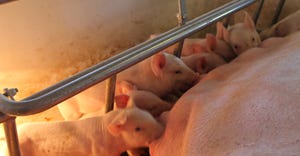
During lactation, diet formulations are based primarily on the number of pigs nursed and the expected voluntary feed intake of sows. Since these traits are not the same across all sow herds, diet formulations will vary. It is important for producers to use herd-specific diet formulations.

The second important concept of sow nutrition is that phases of the sow's reproductive cycle are interrelated.

For example, lactation feeding programs are designed to maximize the sow's milk production to produce large, heavy litters at weaning. However, if this objective is achieved by mobilizing nutrients from the sow's body, she will be thin at weaning and her return to estrus will be delayed or even fail.

That is why we feed sows for current performance with the intent of setting the stage for future performance.

Keeping Sows in Condition

Gestation is a good time to get sows in proper body condition and prepare them for the challenges of lactation.

Pregnant sows have nutrient requirements for body maintenance, development of the products of conception (fetuses, placenta, uterus, mammary glands) and maternal body weight gain. Energy requirements for body maintenance are directly related to sow size and account for 75% to 85% of the sow's total energy requirements. Requirements for the developing litter are relatively small, but have a very high priority.

Once requirements for maintenance and fetal growth are satisfied, any leftover nutrients are directed to growth of maternal body tissues. These tissues, fat and muscle, are what we evaluate when determining body condition of sows.

These tissues serve as reservoirs of energy (fat tissue) and protein (muscle tissue) to support the nutritional needs for milk production in the coming lactation period.

Continue Reading on next page: Feeding During Gestation

Want to use this article? Click here for options!
© 2008 Penton Media Inc.

Most Recent Story


Latest Jobs


National Hog Farmer TV

Resources

  • Industry Resources
  • Calendar
  • Blueprint Issues
  • Career Opportunities
  • Pork Checkoff
  • Quarterly/Weekly Hog and Pig Reports
  • Product Info
  • People
  • Gilt Selection Posters
  • Green Agriculture
  • State of the Pork Industry Report

Recent News

Producers Weigh in on ‘Lipstick’ Campaign Issue

On the heels of the "lipstick on a pig" discussion, pork producers from Illinois are weighing in and adding a new perspective geared to "ham up" the conversation...

Crop Projections Reduced, Signaling Higher Prices

The U.S. Department of Agriculture (USDA) today reduced its forecast for this year’s corn and soybean harvests due to dry weather, setting up the potential for higher commodity prices...

Marketplace Ads

  • VAL-CO

    Swine Heat Stress. Start thinking about your summer cooling options.

  • Advertise in our Marketplace

    Advertise your business here! Find out how.

  • U.S. Crop and Livestock Maps for sale

    Ag Maps for Sale: U.S. Crop and Livestock Maps

Back Issues Archive