Using viruses to control salmonella infections in humans is nothing new,
reports D.L. Harris, DVM, Iowa State University (ISU). The next test is
whether they work in pigs.
Eastern Bloc countries used bacteriophages in the days of communism to
treat human illnesses because of a shortage of antibiotics, says Harris,
professor, Department of Microbiology and the College of Veterinary
Medicine's Veterinary Diagnosticsand Production Animal Medicine at ISU.
The pressure to reduce antibiotics in livestock led Harris and ISU's Greg
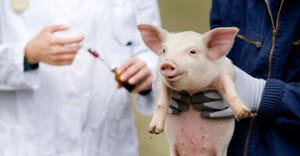
Phillips to develop a research model to try injecting bacteriophages to
control salmonella in pigs and pork. They received a seed grant of $25,000
from the National Pork Producers Council. PIC is funding the research
assistantship for graduate student Nakhyung Lee to participate in the
project.
According to Harris, bacteriophages reproduce in bacterial cells and kill
them. Unlike most viruses, bacteriophages can only infect bacterial cells;
they can't infect animal or human cells.
"There is a chance bacteriophages can replace antibiotics to control
bacterial swine diseases and food-borne pathogens such as salmonella in
pork," says Harris.
A little over two years ago, we commented on a general rise in the frequency of Actinobacillus suis (A. suis) isolation from our swine tissue submission cases, and wondered if it was related to the increased porcine circovirus type 2 (PCV2) activity (National Hog Farmer North American Preview, June 6, 2008)...
The Mexican government has added pork to the list of U.S. products against which it is retaliating for the failure of the United States to live up to its obligations under the North American Free Trade Agreement (NAFTA) to let Mexican trucks haul goods into the United States...