NHF Digital Edition

Get our FREE digital edition! Subscribe here.

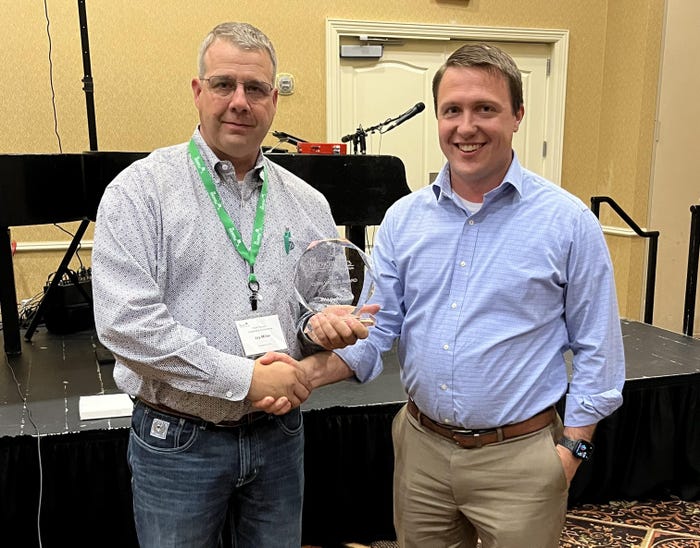
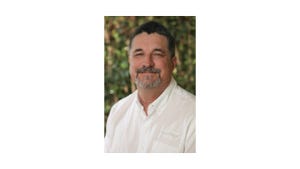
Tim Loula, DVM

Working hard to help clients excel drives this high achiever

It's assumed that if you work at the Swine Vet Center (SVC) in St. Peter, MN, you'd better be prepared to work extra hard.

That assumption brings a quick grin from SVC co-founder and co-owner Tim Loula, (pronounced Low-la), who says it provides a clear understanding of how the clinic operates.

“The hours are long and the commitment is great, but that has been part of the ‘formula’ for what has made Swine Vet Center successful,” the well-known Minnesotan explains.

“That reputation is kind of our model — we are going to work hard for the client and try to help them be profitable and grow,” Loula says.

Growing up in nearby Northfield, MN, that commitment stems from an enduring passion for pigs.

If fellow veterinarians don't share that passion, they probably won't last at SVC, but Loula says he never worries about the work getting done by the nine staff veterinarians in their southern Minnesota clinic. Over the years, there has been very little staff turnover.

Rewards

For Loula, those 30-plus years of hard work in veterinary practice have been rewarding:

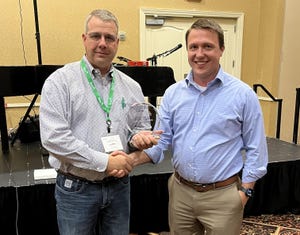
  • Received the American Association of Swine Veterinarians' (AASV) “Swine Practitioner of the Year” award in 1990;

  • Served as AASV president in 1992-93;

  • Completed the University of Illinois Executive Veterinary Program in 1995; and

  • Other Mentors

    Awarded the Allen D. Leman Science in Practice Award in 2001.

Loula also gives credit for his success to his partners and associate veterinarians at the Swine Vet Center, and especially to his wife, partner and mentor of 30 years, Ruth Loula, DVM.

The Loulas met while fellow classmates in veterinary school at the University of Minnesota, and married in their senior year. She has helped him and other SVC staffers become better communicators, editing presentations and providing graphic illustrations, while also serving as controller and office manager for SVC.

Involvement in the AASV and the International Pig Veterinary Society has provided group mentoring to Loula that has brought about “friendly competition” in the industry. Loula has done swine consulting work in 30 states and 28 foreign countries, representing over 400,000 sows.

There have been many mentors, in Loula's estimation. Roger Green, DVM of the Faribault (MN) Vet Clinic, who helped train Loula while he was an undergraduate; Bob Martens, DVM, during Loula's first years in practice at the Nicollet (MN) Vet Clinic; and Al Leman, DVM, while Loula was in college for his doctorate of veterinary medicine at the University of Minnesota.

“Dr. Leman had a unique way of challenging me to greater achievement. He had peer groups that kept me connected with the best pig veterinarians in the Midwest,” Loula says.

In those days, Loula recalls fondly, Leman led the University of Minnesota to sponsor winter swine day meetings in the heart of the state's hogbelt, in Worthington, Fairmont and neighboring towns. Hundreds of producers thirsty for knowledge about hog production would pack those seminars.

Leman also instilled much good advice into the budding veterinarian. “He always said to listen to the people at the ‘pig level’ on the farm. Before he left a sow farm, he would always make a point of touching base with these people. If you want to find out about a farm, you need to talk to more than the owner or supervisor — those aren't the people doing the work. Talk to the workers, and if you can convince them how to raise pigs, then you are more likely to get the change you are looking for,” Loula explains.

Growing Up Together

“You can be a great communicator, but if you're not talking to the people doing the work, you won't get the message to the right people,” Leman told Loula.

Learning is best done incrementally, according to the Minnesota veterinarian. “We are big on that — little wins,” he stresses. “For instance, if sow death loss is at 10%, we will break that down to how many sows per week and per room can die in order to reach a new goal, and then take the same approach in other areas, such as preweaning mortality,” he says.

Using records to keep score daily and weekly provides ways to steadily improve. It also provides a means of motivation as workers make incremental improvements and earn praise for the small advances they are making, he notes. Daily barn charts and weekly records are a big improvement over recordkeeping systems of 20-30 years ago.

Loula's goal is to keep staff engaged and make working in the hog barn fun, interesting and rewarding.

Continue on Page 2

Want to use this article? Click here for options!
© 2009 Penton Media Inc.


Most Recent Story


National Hog Farmer TV

Resources

  • Industry Resources
  • Calendar
  • Blueprint Issues
  • Career Opportunities
  • Pork Checkoff
  • Quarterly/Weekly Hog and Pig Reports
  • Product Info
  • People
  • Production Posters
  • Green Agriculture
  • State of the Pork Industry Report
  • New Product Tour

Current Issue

New Rules for Risk Management

Risk management, it seems, has always been viewed favorably by pork producers. Problem is, it's rarely practiced to any great degree. ...

Current Issue

"Swine Flu" - It's Time to Move On

Something bad has happened to you. It wasn't deserved and it wasn't fair. The people who did it are callous and heartless (at least in regard to you), and lazy, or they would not have done it. But they did it. It's over. It's done. You can whine and wallow in self-pity and martyrdom or pick yourself up, dust yourself off and get on with life and the business of raising quality pork. ...

Marketplace Ads

  • VAL-CO

    Swine Heat Stress. Start thinking about your summer cooling options.

  • Advertise in our Marketplace

    Advertise your business here! Find out how.

  • U.S. Crop and Livestock Maps for sale

    Ag Maps for Sale: U.S. Crop and Livestock Maps

Back Issues Archive