
Subscribe to Our Newsletters
National Hog Farmer is the source for hog production, management and market news
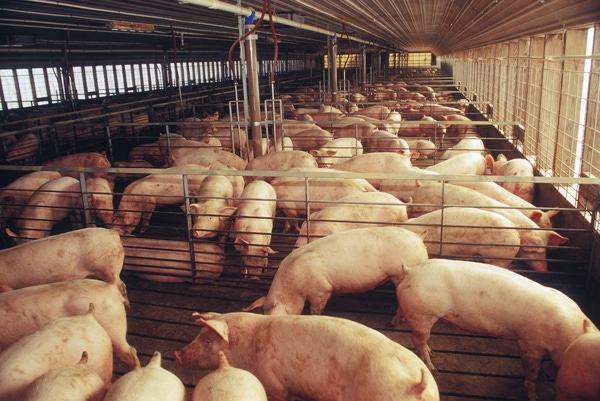
With around 240 days to go until the Jan. 1, 2013 partial ban on sow stalls (gestation) in the European Union (EU), pork producers there face the daunting prospect of a major blow to their livelihood.
“United Kingdom (UK) producers know this only too well. This country embraced some of the highest standards of animal welfare anywhere in Europe in 1999 – since which time the size of the UK herd has shrunk by 40% as retailers and foodservice operators turned to cheaper imports,” reports Stewart Houston, chairman of BPEX. The UK organization focuses on enhancing marketing opportunities for English pork and pig meat products in Britain and globally. BPEX recently released “Market Impact of EU Regulations on Group Housing of Sows.”
Houston says in his foreword to the report he has been warning of the likelihood of tighter supply and higher pork prices as pig herds across Europe decline in numbers as a direct result of the new legislation.
In turn, the EU, as it has encountered resistance from producers, has indicated it is adopting a hard line with producers and will take every measure necessary to enforce the legislation, he notes.
The major points of the legislation outlined in the report:
· Pig production is likely to fall between 5% and 10% and processors and retailers are likely to face substantial price increases;
· Similar animal welfare legislation in the laying hens industry effective Jan. 1, 2012 has caused serious disruption to the egg industry, where the price of shell eggs is 75% higher than a year ago;
· The EU has stated no exceptions will be granted and member states are responsible for enforcing the new legislation as of Jan. 1, 2013;
· So far only three EU countries have told the EU commission they are already compliant with the new legislation; nine countries have indicated they expect to be compliant by the end of this year; 12 countries have not indicated they will be compliant by the target date for the legislation; three countries have not replied to the commission’s request for such information.
· Several EU countries have responded they expect a “significant number” of producers to quit the industry or at least to stop breeding sows and allow their herds to decline as they will be unable or unwilling to comply with the new legislation.
· Enforcement of the new EU welfare law lies with member countries, however, the commission has made it clear it will take action against those countries which fail to comply with or enforce the legislation.
The 18-page report details a number of scenarios which could occur as a result of the legislation, which can be accessed at http://www.bpex.org.uk/downloads/302042/300896/Market%20Impact%20of%20EU%20Regulations%20On%20Group%20Housing%20of%20Sows.pdf .
You May Also Like
Enter a zip code to see the weather conditions for a different location.